

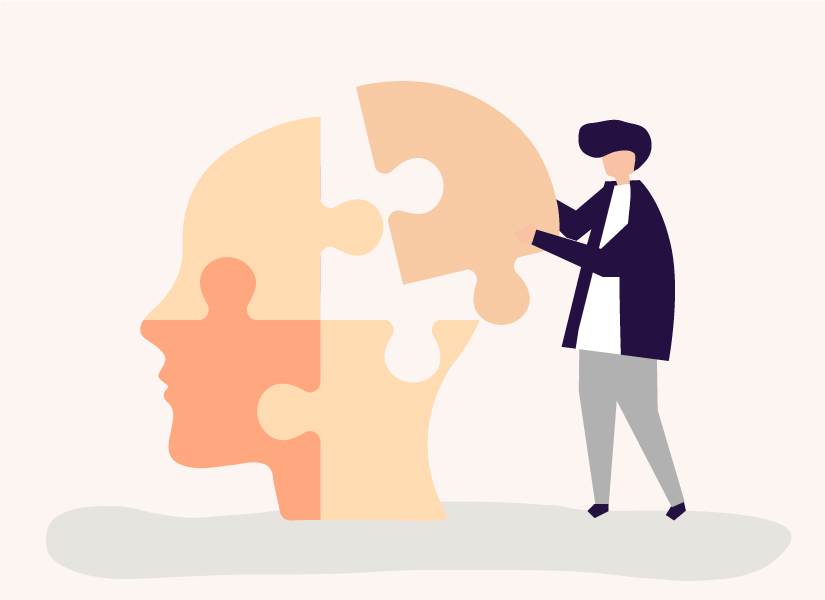
Recovery from addiction or behavioral challenges often involves significant effort and commitment. Yet too often, the focus remains narrowly on physical change or behavioral routines. What often gets overlooked is emotional intelligence — the ability to recognize and manage emotions effectively. Emotional intelligence plays a central role in shaping sustainable recovery, healthier relationships, and long term well being.
When emotional awareness is part of the recovery process, individuals are better equipped to navigate life’s inevitable stressors and challenges. Emotional intelligence supports thoughtful decision making, self regulation, and inner resilience.
The Role of Emotional Intelligence in Recovery
Emotional intelligence involves understanding one’s internal emotional landscape and responding with awareness rather than impulse. In recovery, this skill helps individuals:
- Identify emotional triggers
- Manage stress constructively
- Respond thoughtfully instead of reactively
- Strengthen personal accountability
Emotional intelligence is not about suppressing emotions. It is about recognizing what you feel and using that understanding to guide behavior. For many in recovery, building this skill is a turning point in maintaining progress and avoiding relapse.
Programs that emphasize emotional resilience development offer practical tools and strategies to help individuals refine this skill and apply it in daily life.
How Emotions Influence Decision Making
Emotions subtly shape many of the decisions people make, often without conscious awareness. Stress, anxiety, or unresolved feelings can influence behavior patterns and trigger old habits. Emotional awareness allows individuals to perceive these internal signals before they lead to reactive responses.
When emotional intelligence is cultivated, individuals can:
- Notice early emotional cues
- Choose healthier coping responses
- Maintain consistency with recovery goals
- Better manage interpersonal relationships
This awareness transforms recovery from a series of tasks into a process of understanding, growth, and personal strength.
Emotional Awareness in Daily Life
Emotional awareness is not limited to moments of crisis or introspection. It plays out in everyday choices, including:
- How we handle setbacks or disappointment
- How we communicate under pressure
- How we maintain focus and motivation
- How we balance personal and professional demands
Developing emotional intelligence supports balance in all life areas. It allows individuals to respond to challenges thoughtfully rather than reactively, strengthening long term resilience.
The Impact of Emotional Resilience
Emotional resilience is the ability to adapt to stress and change without losing direction or purpose. Resilient individuals can withstand life’s ups and downs without reverting to old patterns.
Some characteristics of emotional resilience include:
- Flexibility during uncertainty
- Clarity during emotional stress
- Consistency in personal goals
- Confidence in decision making
Developing emotional resilience supports ongoing recovery and promotes well being in daily life.
Supportive Care and Emotional Skill Building
Emotional growth and recovery are rarely achieved in isolation. Supportive environments provide structure and accountability, helping individuals explore their emotions without judgment. Professional guidance, peer networks, and therapeutic frameworks help reinforce emotional awareness and coping strategies.
Access to emotional resilience development tools can provide a structured pathway for individuals to strengthen emotional skills while maintaining momentum toward recovery goals.
Taking a Holistic Approach to Recovery
Effective recovery goes beyond physical change or habit adjustment. It involves understanding emotional needs, patterns, and responses. When individuals integrate emotional intelligence with recovery practices, they develop a balanced approach to personal growth.
Holistic recovery encourages:
- Self reflection and insight
- Sustainable responses to stress
- Healthier interpersonal relationships
- Consistent motivation and clarity
This approach recognizes the interplay between emotions, behavior, and long term change.
Reducing Barriers to Emotional Support
Despite growing awareness, stigma around emotional care continues to influence people’s willingness to seek support. Attitudes like “I should handle this alone” can delay access to helpful resources, prolonging emotional strain and undermining recovery.
Reframing emotional support as an essential part of overall well being encourages individuals to seek guidance earlier. Emotional growth reflects strength and self awareness, not weakness.
Conclusion
Emotional intelligence provides a foundational strength for maintaining recovery and achieving everyday balance. Recognizing and managing emotions thoughtfully allows individuals to respond to life’s challenges with clarity and resilience. By integrating emotional awareness with recovery practices, people can build sustainable habits, healthier relationships, and deeper personal insight.
Emotions are not obstacles to be managed or ignored. They are sources of information that, when understood, guide thoughtful action, long term well being, and meaningful recovery.