

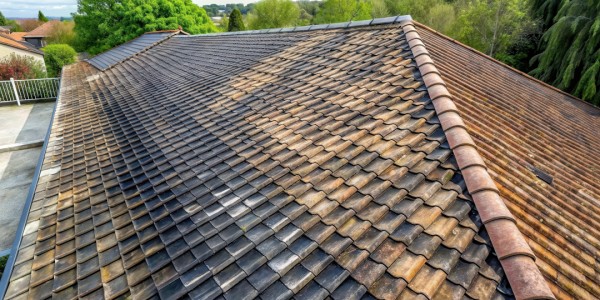
If you’ve ever looked up at your roof and noticed unsightly black or dark streaks running down the shingles, you’re not alone. Dark streaks on roofs are one of the most common cosmetic complaints among homeowners across the country. While they might seem like simple dirt buildup, the reality is often more complex — and more important to address than you might think.
These dark streaks don’t just diminish your home’s curb appeal; they can also signal underlying issues that, if ignored, may shorten the lifespan of your roofing materials. In this comprehensive home improvement guide, we’ll explore what causes dark streaks on roof surfaces, how to identify the specific type of staining you’re dealing with, and what you can do to prevent and remove them effectively.
What Are Dark Streaks on a Roof?
Dark streaks on a roof typically appear as black, brown, or dark green discolorations that run vertically down the slope of the roof. They’re most visible on lighter-colored shingles, though they can appear on virtually any roofing material. Over time, these streaks can spread and darken, eventually covering large portions of the roof surface.
Many homeowners mistake these streaks for accumulated dirt, soot, or general wear and tear. While those can occasionally be contributing factors, the most common culprit behind dark roof streaks is biological growth — specifically, a type of blue-green algae known as Gloeocapsa magma.
Understanding the root cause of your roof stains is the first step toward choosing the right treatment and prevention strategy. Let’s dive deeper into each potential cause.
The Primary Causes of Dark Streaks on Roofs
1. Algae Growth (Gloeocapsa Magma)
The number one cause of dark streaks on roofs in North America is a cyanobacterium called Gloeocapsa magma. This organism thrives in warm, humid environments and feeds on the limestone filler commonly used in asphalt shingles. As the algae colony grows, it develops a dark, protective outer coating that shields it from ultraviolet rays. This dark coating is what you see as those telltale black streaks.
Why algae loves your roof:
- Modern asphalt shingles contain calcium carbonate (limestone), which serves as a food source for algae
- Roofs provide consistent moisture from rain, dew, and humidity
- Shaded areas of the roof retain moisture longer, creating ideal growing conditions
- Algae spores travel through the air and can easily spread from one roof to another in a neighborhood
Algae growth is particularly prevalent in the southeastern United States, the Pacific Northwest, and the Midwest, where humidity levels tend to be higher. However, with shifting climate patterns, algae-related roof staining has been reported in virtually every region.
How to identify algae streaks: Algae streaks typically start near the ridge or peak of the roof and run downward. They often appear darker on the north-facing side of the roof, which receives less direct sunlight and retains more moisture.
2. Moss Growth
While algae creates flat, dark streaks, moss is another biological organism that can cause visible discoloration on your roof. Moss tends to grow in thick, green clumps rather than streaks, but it can contribute to dark staining as it spreads and decays.
Moss is particularly problematic because it doesn’t just sit on the surface — it actually lifts and separates shingles as it grows beneath them. This can lead to water infiltration, leaks, and significant structural damage over time.
Conditions that encourage moss growth:
- Heavy shade from overhanging trees
- Persistently damp environments
- Cool climates with frequent rainfall
- Debris accumulation on the roof surface (leaves, twigs, pine needles)
If you notice raised, fuzzy green patches along with dark streaking, you’re likely dealing with a combination of moss and algae — a common scenario on neglected roofs.
3. Mold and Mildew
Mold and mildew are fungi that can colonize roof surfaces under the right conditions. They typically appear as dark black, brown, or greenish-black patches and can sometimes be mistaken for algae. However, mold and mildew pose potentially greater risks, both to your roof structure and to your family’s health.
Mold can penetrate beneath shingles and into the roof decking, causing rot and structural weakening. If mold growth on the roof is severe, there’s also a chance that spores can find their way into your attic and eventually into your living spaces, potentially triggering allergies and respiratory issues.
Signs that mold or mildew may be the cause:
- Dark patches that appear fuzzy or textured rather than smooth
- A musty smell near the roofline or in the attic
- Discoloration on the underside of roof decking visible from the attic
- Stains that appear in irregular patches rather than uniform streaks
4. Lichen
Lichen is a composite organism formed by a symbiotic relationship between algae and fungi. It appears as crusty, light green, gray, or yellowish patches on roofing materials. While lichen itself may not always look like dark streaks, it can contribute to overall roof discoloration and, more importantly, can be extremely difficult to remove.
Lichen essentially roots itself into the shingle surface, and removing it can sometimes pull away the protective granules on asphalt shingles. This granule loss accelerates shingle deterioration and can lead to dark, bare spots that resemble streaking.
5. Dirt, Dust, and Pollution Buildup
In urban areas or regions with high levels of air pollution, accumulated dirt, dust, and airborne pollutants can create dark stains on roof surfaces. This is especially common near highways, industrial zones, or construction sites.
Unlike biological growth, dirt-based streaking tends to be more uniform across the roof surface and doesn’t have a specific pattern of spreading from one area to another. Heavy rainfall can sometimes wash away surface dirt, but over years of accumulation, grime can become embedded in the textured surface of asphalt shingles.
6. Rust and Metal Staining
If your roof has metal components — such as flashing, vents, satellite dish mounts, or chimney caps — rust runoff can create distinctive dark orange, brown, or reddish-brown streaks. These streaks typically originate directly below the metal component and run straight down the slope of the roof.
Rust stains are purely cosmetic in terms of the shingles themselves, but they indicate that the metal components are corroding and may eventually fail. Addressing the source of the rust is important for long-term roof integrity.
7. Tree Sap and Organic Debris
Homes surrounded by trees may experience dark streaks caused by tree sap, tannins from leaves, and decomposing organic debris. Pine trees, oak trees, and maple trees are particularly known for producing sap and tannin-rich leaves that can stain roofing materials.
When leaves and other organic matter accumulate on the roof, they trap moisture and create a breeding ground for algae and moss. As the debris decomposes, it releases dark tannins that stain the shingles underneath.
Factors That Make Your Roof More Vulnerable to Dark Streaks
Not all roofs are equally susceptible to dark streaking. Several environmental and structural factors can increase your roof’s vulnerability:
Climate and Weather
Homes in humid climates are far more likely to develop algae and moss growth. Areas that experience frequent rainfall, high humidity, and mild temperatures provide the perfect environment for biological organisms to thrive on roof surfaces.
Roof Orientation
The north-facing side of a roof typically receives less direct sunlight, which means it stays damp longer after rain or dew. This makes it a prime location for algae, moss, and mildew growth. You may notice that dark streaks are significantly worse on one side of your roof compared to the other.
Shade and Tree Coverage
Overhanging trees block sunlight and drop debris onto the roof. Both of these factors contribute to moisture retention and provide nutrients for biological growth. While trees offer valuable shade and energy savings, they can create conditions that accelerate roof staining.
Roof Material
Asphalt shingles with limestone filler are the most susceptible to algae growth because the limestone serves as a direct food source. Metal roofs, tile roofs, and slate roofs are generally more resistant to biological growth, though they can still develop stains under certain conditions.
Poor Ventilation
A roof with inadequate ventilation can trap heat and moisture in the attic space, which radiates warmth to the roof surface and creates condensation. This elevated moisture level promotes the growth of algae, moss, and mold.
Age of the Roof
Older roofs with worn or missing granules are more susceptible to biological colonization. As shingles age and lose their protective surface layer, they become more porous and better able to retain moisture — exactly the conditions that algae and moss prefer.
The Impact of Dark Streaks on Your Home
Dark streaks on your roof aren’t just an eyesore — they can have real consequences for your home’s value, energy efficiency, and structural integrity.
Reduced Curb Appeal and Property Value
A stained, streaky roof makes your entire home look older and poorly maintained. Real estate professionals consistently note that roof appearance is one of the first things potential buyers notice. Dark streaks can reduce your home’s perceived value and make it harder to sell.
Increased Energy Costs
Dark streaks absorb more heat from the sun than clean, light-colored shingles. This additional heat absorption can raise the temperature in your attic and, consequently, increase your cooling costs during summer months. Some studies suggest that heavily stained roofs can increase attic temperatures by as much as 10-15 degrees Fahrenheit.
Shortened Roof Lifespan
Algae and moss growth can accelerate shingle deterioration. Algae feeds on the limestone in shingles, gradually breaking down the material. Moss lifts shingles and allows water infiltration. Mold can rot the underlying decking. All of these factors can shorten your roof’s lifespan by several years, leading to the need for premature — and expensive — roof replacement.
Potential Health Concerns
While roof-level mold typically doesn’t directly affect indoor air quality, severe mold growth can spread to the attic and eventually into living spaces. Mold spores are known allergens and can trigger respiratory symptoms in sensitive individuals.
How to Remove Dark Streaks from Your Roof
If your roof already has dark streaks, there are several approaches to cleaning and restoring its appearance.
Soft Washing
Soft washing is the most recommended method for cleaning roof stains. It uses a low-pressure water spray combined with specialized cleaning solutions (typically a mixture of sodium hypochlorite and water) to kill algae, moss, and mold without damaging the shingles.
Important: Never use a high-pressure power washer on an asphalt shingle roof. The intense water pressure can strip away protective granules, void your warranty, and cause permanent damage.
DIY Cleaning Solution
For homeowners who prefer a hands-on approach, a commonly recommended DIY solution consists of:
- 1 part household bleach (sodium hypochlorite)
- 3 parts water
- A small amount of trisodium phosphate (TSP) or a mild dish detergent
Apply the solution with a garden sprayer, let it sit for 15-20 minutes, and rinse gently with a garden hose. Always work from the top of the roof downward and take appropriate safety precautions, including wearing non-slip shoes, using a safety harness, and protecting landscaping below with plastic sheeting.
Professional Roof Cleaning
For severe staining, steep roofs, or homeowners who aren’t comfortable working at heights, hiring a professional roof cleaning service is the safest and most effective option. Professional cleaners have the equipment, experience, and insurance to handle the job safely. Expect to pay between $300 and $600 for a professional roof cleaning, depending on the size and complexity of your roof.
Zinc or Copper Strips
After cleaning, installing zinc or copper strips along the ridge of your roof can help prevent future algae growth. When it rains, trace amounts of metal ions wash down the roof surface, creating an environment that inhibits algae and moss colonization. This is a relatively inexpensive preventive measure that can extend the time between cleanings.
How to Prevent Dark Streaks on Your Roof
Prevention is always more cost-effective than treatment. Here are proven strategies to keep your roof streak-free:
Trim Overhanging Branches
Keep tree branches trimmed back at least 6-10 feet from your roof. This reduces shade, minimizes debris accumulation, and improves airflow around the roof surface — all of which discourage algae and moss growth.
Keep Gutters Clean
Clogged gutters can cause water to back up under shingles, creating moisture pockets that promote biological growth. Clean your gutters at least twice a year, in spring and fall, to ensure proper water drainage.
Improve Attic Ventilation
Proper attic ventilation helps regulate temperature and moisture levels, reducing the condensation that feeds algae and mold. Ensure your attic has adequate intake vents (soffit vents) and exhaust vents (ridge vents or gable vents).
Install Algae-Resistant Shingles
If you’re replacing your roof or building a new home, consider algae-resistant shingles. These shingles contain copper granules that naturally inhibit algae growth. Most major shingle manufacturers now offer algae-resistant product lines, and many come with warranties against staining.
Regular Roof Inspections
Schedule annual roof inspections to catch early signs of biological growth before it becomes a major problem. Early treatment is significantly easier and less expensive than dealing with widespread staining.
Remove Debris Promptly
After storms or during fall leaf drop, remove accumulated debris from your roof as soon as possible. Leaves, pine needles, and small branches trap moisture and provide nutrients for algae, moss, and mold.
When to Call a Professional
While minor roof staining can often be addressed with DIY methods, there are situations where professional help is strongly recommended:
- Extensive staining covering more than 50% of the roof surface
- Moss or lichen growth that has penetrated beneath shingles
- Signs of mold in the attic or on roof decking
- Steep or multi-story roofs where safety is a concern
- Roof age exceeding 15-20 years, where cleaning could reveal underlying damage
- Warranty concerns — some roofing warranties require professional maintenance
A qualified roofing contractor can assess the extent of the damage, recommend appropriate treatment, and identify any structural issues that may need repair.
Frequently Asked Questions
Are dark streaks on my roof harmful?
While dark streaks caused by algae are primarily cosmetic in the short term, they can accelerate shingle deterioration over time. Moss and mold are more immediately damaging, as they can lift shingles and cause rot. Addressing dark streaks promptly is always the best approach.
Can I prevent dark streaks permanently?
There’s no permanent solution, but combining algae-resistant shingles with proper maintenance (trimming trees, cleaning gutters, installing zinc strips) can significantly reduce the frequency and severity of staining.
Will dark streaks on my roof affect my homeowner’s insurance?
In most cases, cosmetic staining alone won’t affect your insurance. However, if staining is accompanied by structural damage (rot, leaks, or extensive moss damage), your insurer may require repairs before renewing your policy.
How often should I clean my roof?
Most roofs benefit from cleaning every 2-5 years, depending on climate, tree coverage, and the presence of algae-resistant materials. Annual inspections can help you determine the right schedule for your home.
Final Thoughts
Dark streaks on your roof are more than just a cosmetic nuisance — they’re a signal that biological organisms or environmental factors are actively affecting your roofing materials. Understanding what causes dark streaks on roof surfaces empowers you to take proactive steps to protect your home, maintain its value, and extend the life of your roof.
Whether you’re dealing with algae, moss, mold, rust, or simple dirt accumulation, the combination of proper identification, targeted treatment, and ongoing prevention will keep your roof looking its best for years to come. Remember, your roof is one of the most important — and most expensive — components of your home. Investing a little time and effort into its maintenance today can save you thousands of dollars in premature replacement costs down the road.
If you’re unsure about the cause of your roof stains or the best approach to cleaning, don’t hesitate to consult with a local roofing professional. A little expert guidance can go a long way toward preserving your home’s most critical protective barrier.