

A while back, Blockchain Sports launched something fresh – BCS Arena. Known for projects like JggL and the Atleta Network, they’re now testing new ground. Instead of sticking to old formats, this move links classic online spaces with emerging digital layers. What stands at the center? A worldwide network tying together football teams, sports figures, and their audiences.
While most platforms just host content, this one lets users take part in brand-driven activities. Because of these actions, participants earn ATLA tokens as returns. As digital interaction grows in athletics, tools like Arena show how deeply tech blends into today’s game scenes.
Edmílson jumped into the mix early – a name that echoes through Brazil’s 2002 World Cup triumph. Since then, others have followed, drawn by what this digital sports space offers. Though he stands out, his presence isn’t an isolated moment but part of a steady flow. Names from global pitches keep appearing alongside tech-driven ventures here. Year after year, threads form between code, coaching, and young talent rising. The pattern holds: experience meets innovation without losing its grip on growth.
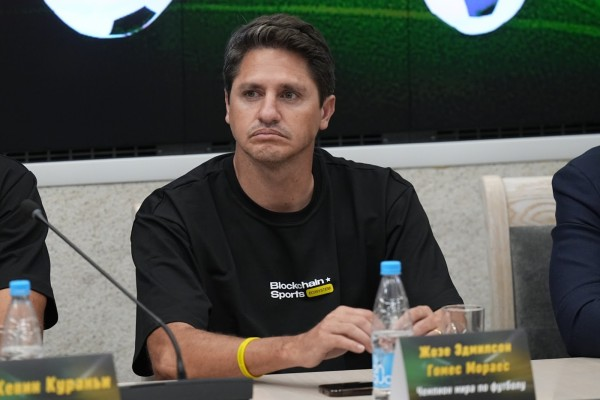
Midway through his time in Minsk, former FC Barcelona defender Edmílson stepped into a series of events showing where athletics meets global teamwork and new tech tools. Held just before a casual game featuring athletes from the Blockchain Sports training network, a media briefing stood out as a key highlight.
Alongside figures from sports, news outlets, and embassies, conversations flowed about shaping football’s next phase amid rising digital shifts. Instead of tradition alone, fresh methods like performance tracking, smart analysis, and information-based systems took center stage. Talk turned to sharper ways of refining practice routines while spotting promising youth with greater speed.
A highlight unfolded when kids kicked off a football day at Dynamo Stadium in Minsk. Not just goals were scored – ties between distant teams began forming on the pitch. Street football players involved in the Blockchain Sports initiative in Brazil met teams from nearby. Instead of rivalry, smiles passed across jerseys after every pass. Some stood near the sidelines clapping, others watched from mobile phones perched high. Across languages and time zones, cleats scraped turf in a shared rhythm. Moments like these skip speeches – they speak through movement alone.
One part of the schedule was a trip to Eastern Europe, in FC Arsenal Dzerzhinsk’s training camp. While there, they looked closely at how things run day to day, talked about ways to grow talent, while touching on possible joint efforts down the line. These moments show what happens when youth setups link up with pro teams and growth programs – real chances start appearing for younger athletes. Today’s game leans heavily on connections like these, where teamwork across groups pushes promising players out of local fields and into bigger arenas.
Not just about games, the trip included serious talks between officials. At the Brazilian Embassy in Belarus, conversations opened up around teamwork in football development. One idea took shape there: blending Brazil’s deep football knowledge – known worldwide for shaping talent – with Europe’s strong systems and planning tools. Out of that came talk of steady partnerships, like shared coaching sessions, competitions for younger players, and learning efforts aimed at developing skills early.
These steps might grow into lasting collaborations built step by step.
One thing stood out on the trip – tech is changing how football grows today. Inside Blockchain Sports, apps and analysis gear aren’t just extras; they act like guides for tracking growth, shaping practice routines, because clear ways to judge skill matter more now. Data isn’t an add-on anymore; it’s shifting the whole path players take, since numbers and online frameworks quietly steer training everywhere. What happens on screens affects what happens on fields, simply because facts move faster than guesses these days.
Now here comes Edmílson, stepping into spaces where old-school play meets digital shifts. A name once shouted in stadiums now appears in rooms talking tokens and ledgers. Because he climbed the mountain as an athlete, what he says carries weight when it’s about next-gen sports systems. Not everyone from that era leans into change like this – his choice matters. When veterans show up curious, traditions do not break – they evolve. What used to live on grass now finds echoes in code.
Out there in Minsk, things unfolded that quietly revealed what lies behind ventures such as BCS Arena – pushing football past goal lines and sidelines. Not just play, but connection drives it: athletes drawn in, nations linking up, tech reshaping how moments live online. This mix isn’t accidental; it builds spaces where clubs, players, fans meet differently, shaped by common ground more than rules. When Edmílson stepped into those efforts, his presence underlined an idea bigger than one match – ties across continents grow stronger when groups from sport, code, culture lean in together.