

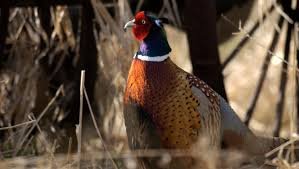
Pheasant hunting in Michigan continues to be one of the most exciting upland bird hunting opportunities in the Midwest. With a mix of farmland, CRP fields, grasslands, and marsh edges, Michigan provides ideal pheasant habitat. However, consistent success requires more than simply walking fields — it demands strategy, timing, and understanding bird behavior.
Hunters looking to improve their overall approach often explore advanced field breakdowns and regional tactics at Michigan Bird Hunting before heading out.
Understanding Pheasant Habitat in Michigan
Ring-necked pheasants thrive in areas that offer food, cover, and protection from predators.
Key habitat features include:
- Standing corn and soybean fields
- Tall grass CRP lands
- Brushy fence rows
- Marsh edges and cattails
Field Edges Are Gold
The transition zones between crops and thick cover are prime pheasant locations. Birds move between feeding areas and roosting cover, especially during early morning and late afternoon hours.
Reading Pheasant Behavior
Pheasants are known for running before flushing. Many hunters lose opportunities because they expect birds to hold tight like grouse.
How to Counter Running Birds
- Walk slightly faster through lighter cover
- Zigzag across escape routes
- Use natural barriers like ditches or hedgerows to block movement
If hunting with partners, positioning blockers at field ends significantly increases flush opportunities.
Wind Direction and Approach
Wind plays a critical role in upland hunting success.
Pheasants often face into the wind for security. By approaching from downwind, you reduce the chance of birds detecting your scent and movement early.
On windy days, birds may hold tighter in thick cover. Calm days may result in longer flush distances.
Hunting with Dogs for Higher Flush Rates
A well-trained flushing or pointing dog dramatically increases efficiency.
Flushing breeds push birds into flight, while pointing breeds locate and hold them. Both require discipline and steady command response.
Many experienced upland hunters refine their dog handling techniques using training insights shared through Michigan upland bird hunting guides.
Shot Timing and Accuracy
Pheasants flush explosively and gain altitude quickly. Successful hunters:
- Keep their shotgun mounted properly
- Focus on smooth follow-through
- Avoid rushing the shot
Practicing on clay targets during the off-season builds muscle memory and improves reaction time.
Pressure Awareness
Public land birds quickly become wary. If hunting pressure is high:
- Target less obvious areas
- Hunt weekdays instead of weekends
- Focus on smaller overlooked fields
Sometimes the best pheasant opportunities exist just beyond heavily walked sections.
Ethical and Sustainable Hunting
Responsible pheasant hunters:
- Follow bag limits
- Take high-percentage shots
- Retrieve all birds
Sustainable practices preserve Michigan’s upland traditions for future seasons.
Final Thoughts
Pheasant hunting in Michigan rewards hunters who understand terrain, bird behavior, and wind patterns. By combining strategy with patience, you can dramatically improve flush rates and harvest success throughout the season.