

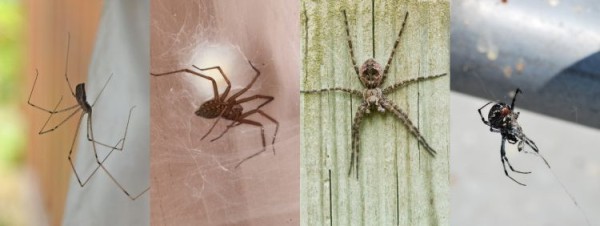
There is a universal moment of panic that most homeowners recognize. You are relaxing on the couch, perhaps reading a book or watching TV, when you catch movement out of the corner of your eye. A spider, looking remarkably confident, is scuttling across your floorboard.
For many, the immediate reaction is to grab a shoe. But for the curious (and the cautious), seeing arachnids inside the home raises several questions. How did they get here? How long will they stay? And, most importantly, how do you get rid of them without harming your beloved dogs or cats?
In this comprehensive guide, we will dive deep into the secret lives of house spiders, the critical role of house cleaning in keeping them at bay, and the best methods for pets control (pet-safe pest control) to maintain a healthy, bug-free home.
Part 1: Understanding the Enemy (Or Friend?)
How Long Do House Spiders Live?
Before you decide on an eviction strategy, it helps to understand who you are dealing with. A common misconception is that all spiders inside your house are “outdoor” spiders that wandered in by mistake. In reality, roughly 95% of the spiders you see indoors have never been outside. They are adapted to the climate-controlled environment of your home.
This begs the trending question: how long do house spiders live?
The answer varies by species, but the general lifespan of a common house spider is surprisingly long.
- The Short Answer: Most common house spiders live between 1 to 2 years.
- The Long Answer: Some species, particularly females who are protected from predators and harsh weather inside your walls, can live significantly longer. For example, the Cellar Spider (often called Daddy Longlegs) can live for about two years, while the American House Spider typically lives for one year after reaching maturity.
- The Outliers: Certain species, like the Giant House Spider, have been known to survive for up to three or four years in ideal indoor conditions.
The Lifecycle Factor It isn’t just about the adult spider. If you spot a spider, you need to consider the reproductive cycle. A female house spider can lay hundreds of eggs in a silken sac. If those eggs hatch within your home, you aren’t just dealing with a single 2-year tenant; you are dealing with a generational dynasty.
Understanding how long do house spiders live is crucial because it dispels the myth that they will simply “die off” quickly on their own. They won’t. If the environment provides food (other bugs) and shelter (clutter), they will stay for years.
Part 2: The First Line of Defense is House Cleaning
If spiders are the symptom, a lack of specific house cleaning habits is often the cause. Spiders are not attracted to dirt per se—they are attracted to the insects that feed on grime, and the shelter provided by clutter.
To manage spider populations naturally, you must view house cleaning not just as hygiene, but as habitat modification.
1. The “Clutter Connection”
Spiders are ambush predators or web builders. Both require hiding spots. Piles of clothes, stacked cardboard boxes (a favorite for Brown Recluses), and unused exercise equipment are five-star hotels for arachnids.
- Action Plan: Adopt a minimalist approach in corners and under beds. Replace cardboard storage boxes with sealed plastic bins. Spiders cannot chew through plastic, and the smooth sides make it difficult for them to climb.
2. The Dust Mite Chain
Why are spiders in your home? To eat. What are they eating? Often, they are eating mites, silverfish, or small flies.
- Action Plan: Regular vacuuming is essential. You aren’t just sucking up dust; you are removing the food source for the spiders. Furthermore, vacuuming directly removes spider webs and egg sacs. When house cleaning, pay special attention to the ceiling corners, behind drapes, and the dark spaces behind toilets.
3. The Entry Points
Deep house cleaning should involve inspecting the perimeter of your rooms. Spiders squeeze through impossibly small cracks in baseboards, window seals, and door sweeps.
- Action Plan: While dusting, inspect your caulking. Sealing gaps is a permanent cleaning step that stops the invasion at the source.
Part 3: Pest Control and “Pets Control” (Safety First)
When cleaning isn’t enough, and you have a full-blown infestation, it is time to look at control methods. However, for households with furry family members, this can be terrifying. Traditional pesticides can be toxic to dogs, cats, and birds.
This brings us to the concept of “pets control”—essentially, controlling pests while maintaining total safety for your pets.
The Dangers of Traditional Chemicals
Many standard bug sprays contain pyrethroids. While effective against spiders, these chemicals can be highly toxic to cats. A cat rubbing against a treated baseboard and then grooming itself can suffer serious neurological issues.
Top Methods for Pet-Safe Pest Control
If you are Googling pets control regarding spiders, you are likely looking for these safe alternatives:
1. Diatomaceous Earth (Food Grade) This is the gold standard for pet-safe spider elimination. It is a powder made from fossilized algae. To humans and pets, it feels like soft powder. To a spider, it is like walking on broken glass. It dehydrates the spider physically rather than poisoning it chemically.
- How to use: Sprinkle a thin layer along baseboards and behind appliances. It is non-toxic to dogs and cats.
2. The Peppermint Barrier Spiders “taste” and smell through sensory organs on their legs. Strong essential oils, particularly peppermint, are overwhelming to them.
- How to use: Mix 15-20 drops of peppermint oil with water and a dash of dish soap in a spray bottle. Spray entry points and corners.
- Warning: While dogs are generally fine with peppermint, high concentrations can be irritating to cats. Always ensure good ventilation, or opt for a vinegar-and-water solution instead if you have sensitive cats.
3. Sticky Traps (The Non-Toxic Option) Glue traps are effective for wandering spiders like Wolf Spiders. Because they contain no poison, they fit the pets control safety criteria perfectly, provided you place them where your pet won’t step on them (getting a glue trap stuck to a dog’s paw is a messy, though non-toxic, ordeal).
Part 4: Seasonal Spider Trends
Your strategy for house cleaning and spider management should change with the seasons.
- Autumn (The Mating Season): You will see more spiders in late summer and early autumn. This isn’t necessarily because they are coming in from the cold; it’s because the males have reached maturity (remember, how long do house spiders live? About a year to reach this point) and are leaving their webs to hunt for females. This is the prime time for deep cleaning.
- Winter (The Dormancy): Spiders slow down. Focus on decluttering storage areas like basements and attics during this time.
- Spring (The Hatching): If you didn’t remove egg sacs in the winter, you might see tiny spiderlings in the spring. Vacuuming is your best friend here.
Conclusion: Co-Existence or Eviction?
Ultimately, a spider-free home is a multi-step process. It starts with understanding the biology of the creature (how long do house spiders live), implementing a rigorous house cleaning schedule to remove their food and shelter, and finally, utilizing safe pets control methods to treat infestations without endangering your four-legged friends.
While a single spider in the corner might be a helpful ally against flies, an infestation is a nuisance. By combining hygiene, exclusion, and pet-safe treatments, you can reclaim your home and keep your peace of mind.
Frequently Asked Questions (FAQ)
1. Does killing a spider attract other spiders? No, this is a myth. While some insects release pheromones when squashed, most house spiders do not attract “avengers” when killed. However, if you have one spider, you likely have the environment to support more.
2. What is the best natural spider repellent for house cleaning? White vinegar mixed with water is an excellent cleaning agent that also repels spiders. They hate the sour scent and the acidity. It is also a safe method of pets control as vinegar is non-toxic to animals.
3. How do I identify a dangerous spider? Most house spiders are harmless. However, watch for the Brown Recluse (violin marking on the back) and the Black Widow (red hourglass). If you suspect these are in your home, professional pest control is recommended over DIY methods.
4. Why do I see spiders in my clean house? Even with impeccable house cleaning, spiders may enter looking for water (common in bathrooms) or mates. Weather changes can also drive them to seek temperature-controlled environments.
5. Is “pets control” different from standard pest control? Yes. When you see terms or services related to pets control or “pet-friendly pest control,” it implies the use of products specifically tested for mammalian safety. Always read labels to ensure products are “Pet Safe when dry” or completely non-toxic.