
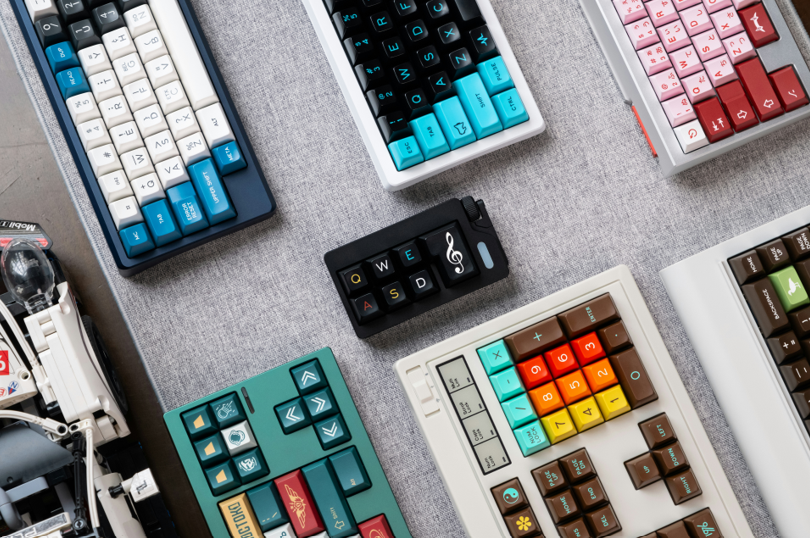
The modern workspace is evolving rapidly. As remote work and digital-first careers become increasingly common, professionals are paying closer attention to the tools they use every day. Among these tools, the keyboard—once a standardized and overlooked accessory—is gaining renewed importance.
Custom mechanical keyboards are emerging as a response to this shift. No longer limited to niche enthusiasts, they are becoming a practical choice for users who value comfort, efficiency, and a more intentional typing experience.
Moving Beyond One-Size-Fits-All
For many years, most keyboards were designed for mass production rather than individual needs. While functional, these standardized models often fail to address differences in typing habits, work duration, and ergonomic preferences.
Custom mechanical keyboards offer an alternative. By allowing users to choose layouts, switch types, and materials, customization helps transform the keyboard from a generic tool into a personalized extension of the workspace. For professionals who spend long hours typing, even small adjustments can make a noticeable difference in comfort and focus.
This shift reflects a broader trend toward personalization across work environments, where tools are increasingly selected to support both productivity and well-being.
The Role of Sound and Tactile Feedback
Beyond functionality, typing sound and tactile feedback have become defining factors in keyboard design. Mechanical keyboards provide a level of physical response that many users find more satisfying and engaging than flat, membrane-based alternatives.
As awareness grows, users are becoming more selective about how their keyboards feel and sound. Acoustic characteristics—once ignored—are now seen as part of the overall work experience, especially in home offices where control over the environment is greater.
This focus on sensory experience has encouraged manufacturers to rethink internal structures and material choices, prioritizing refinement over volume.
Small-Batch Manufacturing and Craftsmanship
Another driver behind the rise of custom keyboards is the increasing appeal of small-batch manufacturing. Rather than competing with large brands on scale, independent makers focus on build quality, design precision, and user feedback.
Custom mechanical keyboards often incorporate CNC-machined components, layered internal structures, and carefully selected materials aimed at improving stability and sound consistency. These design choices contribute to a more deliberate and durable product.
Independent custom keyboard brands such as Gimsun Custom are part of this growing ecosystem, emphasizing thoughtful construction and acoustic tuning instead of mass-market production. This approach resonates with users who view their tools as long-term investments rather than disposable accessories.
The Keyboard as a Core Workspace Tool
As workspaces become more personalized, the keyboard has taken on a central role alongside ergonomic chairs and adjustable desks. For remote workers and creative professionals, investing in a high-quality keyboard is often seen as a practical decision that supports daily performance.
Durability is another factor. Well-built mechanical keyboards can remain relevant for years, adapting to changing workflows through modular components. This longevity aligns with a growing preference for sustainable, upgradeable products.
At the same time, visual customization—such as layout and keycap design—has turned keyboards into subtle expressions of personal identity, particularly in creative and technical fields.
Looking Ahead
The custom mechanical keyboard market continues to grow steadily. While it may remain a specialized segment, its influence on mainstream design and user expectations is becoming increasingly clear.
As more professionals recognize the impact of everyday tools on productivity and comfort, demand for personalized, thoughtfully designed keyboards is likely to increase. Customization, once a niche interest, is now shaping how people define the modern workspace.
