
Intermittent fasting (IF) has gained popularity due to its potential health benefits, including improved metabolism, better weight management, and enhanced mental clarity. However, sticking with IF beyond the first few weeks can be challenging. The difference between those who succeed and those who abandon the practice often comes down to the tools they use. Not fancy gadgets or complicated systems — just the right combination of apps, kitchen basics, and strategies that make fasting manageable. This guide will walk you through the essential tools for building a sustainable intermittent fasting routine, starting with the basics and gradually incorporating advanced digital tools and kitchen essentials.
Start Here: The Core Tools You Need on Day One
Before diving into apps, gadgets, and optimization strategies, let’s start with the absolute essentials. These are the tools you can begin using today to kickstart your fasting journey:
- Choose a Simple Starter Schedule: When starting intermittent fasting, don’t overwhelm yourself with aggressive fasting windows like 20-hour fasts. Begin with a 12:12 or 14:10 fasting window — this means fasting for 12-14 hours and eating within a 10-12 hour window. This gradual approach allows your body to adapt without stress.
- Set Calendar Alarms: Create two alarms on your phone — one for your “last bite” of the day and another for your “first meal” the next day. This external structure removes the mental burden of constantly checking the clock during your fasting period, making it easier to stay consistent.
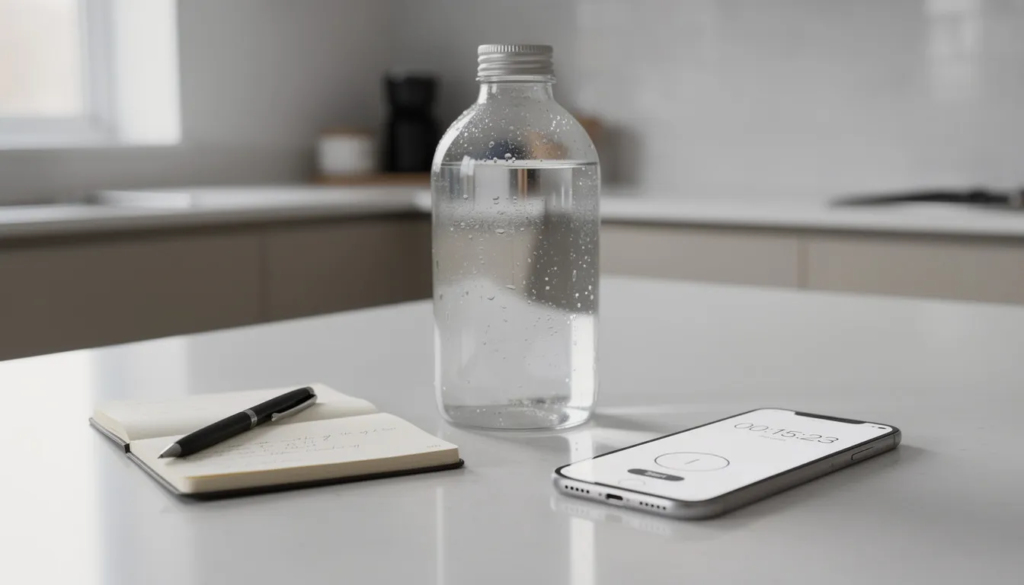
- Get a Refillable Water Bottle: Hydration is key to making fasting feel easier. Pre-fill a 24-32 oz water bottle each evening and keep it on your nightstand or kitchen counter. Drinking water first thing in the morning will reduce hunger pangs and keep you energized throughout the day.
- Prepare Go-To Opening Meals: Decide in advance what you’ll eat to break your fast. This eliminates decision fatigue and ensures that you have healthy, quick options when you’re ready to eat. Simple options like Greek yogurt with berries or eggs with avocado toast work well.
- Commit to a Start Date: Choose a specific day to begin your fasting journey and make it visible. Whether it’s a sticky note on your bathroom mirror or a reminder on your phone, making your commitment tangible will help you feel accountable to your goal.
Digital Planning & Tracking Tools
While intermittent fasting can be done without digital tools, they can make the process smoother, more organized, and easier to stick with over the long term. The goal is to streamline your fasting routine without overcomplicating things with too many apps.
Fasting-Specific Apps
A fasting-specific app serves as your behavioral infrastructure, handling the logistics so you can focus on living your life. One such app is Simple, which is especially beginner-friendly. It offers a clean fasting timer, tracks your fasting history, and provides gentle reminders, making it ideal for anyone new to time-restricted eating. While there are other apps like Zero or Fastic, Simple’s user interface and educational content make it a great choice for those starting out.
Calendar Tools
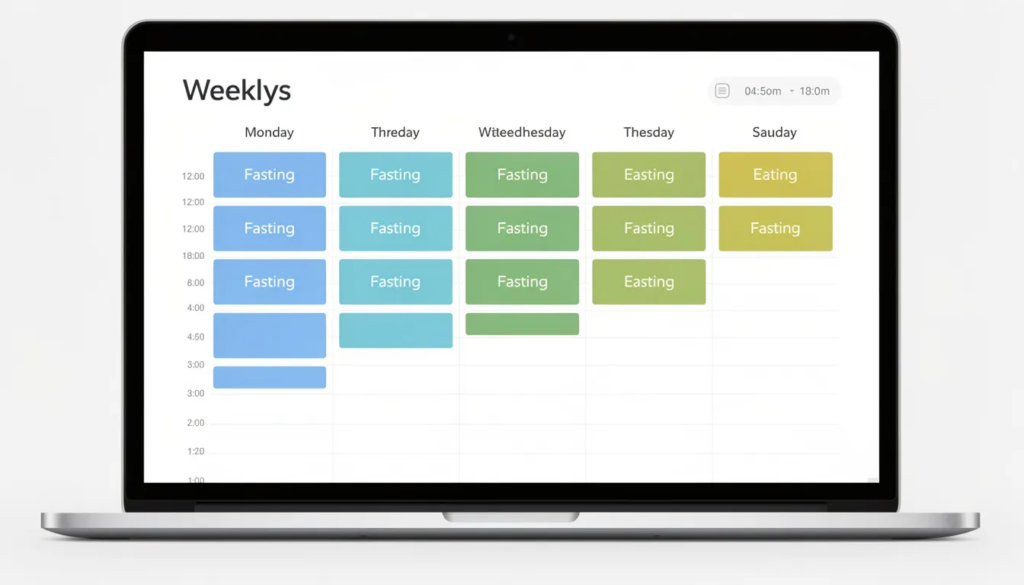
Block your eating window like a meeting in your calendar. Use Google Calendar or Apple Calendar to create recurring events for your eating window (e.g., 11:00 am – 7:00 pm daily). Color-code them: green for fasting, blue for eating, and orange for exercise. This visual map of your week helps you spot conflicts before they derail your fasting schedule.
Note-Taking Apps
Track how fasting feels, not just what you eat. Use apps like Apple Notes, Google Keep, or Notion to log quick observations: “Day 4, 16-hour fast, felt sharp at 10 am, slight hunger at 11 am, broke fast with eggs — energy great all afternoon.” These notes help you identify patterns that calorie tracking alone can’t provide.
Habit-Tracking Apps
Apps like Streaks, Habitica, or HabitBull let you mark “met fasting window” daily and visualize your consistency over time. A long chain of green checkmarks becomes surprisingly motivating, and missing one day feels less catastrophic when you can see 25 successful days around it.
Wearables
Wearable devices like Fitbit, Apple Watch, or Oura Ring can track trends in sleep, resting heart rate, and activity. These devices offer helpful feedback but should not be used obsessively. Instead, review trends weekly to gain insights into your health, rather than checking stats every hour.
Kitchen Tools That Make Fasting Easier (Not Harder)
Sustainable intermittent fasting is more about simplicity than fancy gadgets. A few well-chosen items can save time and reduce the friction that leads to unhealthy eating choices.
- Basic Food Scale and Measuring Cups: In the first few weeks, these help you understand portion sizes and how many calories you’re actually consuming. Once you get used to fasting, you can gradually rely on your body’s hunger cues rather than measuring every meal.
- Quality Insulated Water Bottle or Large Glass Pitcher: Keep it visible on your counter or desk as a visual prompt to stay hydrated during fasting hours. A 32-oz bottle with time markers can help you hit hydration targets without overthinking it.
- Drip Coffee Maker, French Press, or Electric Kettle: Black coffee and herbal teas are popular options during the fasting window. These tools help you maintain comfort and warmth during your fast without any added calories or sugars.
- Meal-Prep Containers: These help you prepare and store meals in advance, ensuring that you’re never caught without a healthy option. Label them: “break-fast meal,” “second meal,” “snack.” Stackable containers in the fridge mean you’ll always know exactly what’s ready.
- Slow Cooker or Instant Pot: Batch-cook nutrient-dense foods like chicken, lentils, or pulled pork, which can be easily reheated during your eating window. Having food ready to go reduces the temptation to grab fast food.
- Simple Kitchen Timer: If you prefer not to use your phone for time reminders, a basic kitchen timer can alert you when it’s time to stop eating. This is a simple way to keep track of your fasting window without needing to rely on an app.
Hydration, Coffee & Beverage Tools for Clean Fasting
For a clean fast, you should consume no calories during your fasting window — only water and unsweetened drinks. The right beverage setup can significantly cut perceived hunger and make the fasting hours feel shorter.
- Water with Plain Ice, Sparkling Water, or Mineral Water: Carbonation can help with hunger pangs, so keep a variety of waters on hand. Store them in your pantry or fridge for easy access throughout the day.
- Caffeine-Free Herbal Teas: Stock up on peppermint, rooibos, and ginger teas. These options provide variety without breaking your fast. Keep one black or green tea for mornings if you want caffeine without the coffee.
- Black Coffee Setup: Keep it simple: medium roast beans and a grinder, or pre-ground coffee. The goal is to enjoy black coffee without the temptation of creamers or sugar. The adjustment period usually lasts about 1-2 weeks, after which you’ll appreciate the taste of coffee without added sweeteners.
Scheduling & Lifestyle Tools for a Sustainable Fasting Rhythm
Sustainability depends on making intermittent fasting fit your actual life — work hours, social commitments, and family obligations. A fasting method that ignores these realities won’t last.
- Weekly Planning Ritual: Spend 10 minutes on Sunday night planning your fasting windows for the upcoming week. You might do 16:8 on weekdays when you have more control, and 14:10 on weekends when you want flexibility for later dinners.
- Align Fasting with Sleep: Use your sleep hours as part of your fasting window. For example, if you stop eating at 8:00 pm, sleep from 11:00 pm to 7:00 am, and break your fast at 12:00 pm, you’ve effectively fasted for 16 hours while only being awake for 8-9 of them.
- Time-Block Around Fixed Commitments: Schedule your eating window around non-negotiables, like your morning commute or family dinner time. This minimizes daily decision-making and makes your fasting schedule easier to follow.
- Create If-Then Rules: Write out contingency plans for days when your fasting schedule might need to shift. For example: “If I have an early breakfast on Thursday, I’ll shorten that day’s fast and extend Friday’s by 2 hours.”
- Keep One Flex Day: Choose one day per week where fasting is shortened or skipped. This planned flexibility helps prevent the “I already messed up, so I’ll quit” mindset that can derail your fasting efforts.
Feedback, Monitoring & Health-Safety Tools
It’s important to track your progress but not obsess over it. Safety and overall health should always be your priority.
- Body Weight Tracking: Weigh yourself 1-2 times per week to identify trends without the emotional rollercoaster of daily fluctuations.
- Body Measurements: Track waist circumference and other measurements every 4 weeks to capture body composition changes that aren’t reflected on the scale.
- Blood Pressure Monitoring: If you’re over 40 or have a health condition, consider tracking your blood pressure to monitor how fasting affects it.
- Professional Guidance: Consult a healthcare professional before starting fasting, especially if you have underlying health conditions like diabetes or metabolic syndrome.
Mindset, Motivation & Social Support Tools
The mental and social aspects of fasting often determine your success in the long run.
- Journaling Tools: Record daily wins and challenges. Use a paper notebook or digital diary to write 3-4 sentences on how you felt during your fast.
- Accountability Tools: Share your fasting schedule with a friend or join a community for extra motivation.
- Environment Design: Keep healthy food choices visible and easy to grab. Redesign your kitchen to reduce temptation.
- Non-Food Reward Systems: Celebrate milestones with non-food rewards to reinforce healthy habits.
Real-Life Examples
Maria, a 38-year-old project manager, struggled with her intermittent fasting plan until she started journaling. On day 12, she noticed she always felt intense hunger at 10:30 am — right after her standing team meeting. She realized the stress of the meeting triggered her appetite, not actual hunger. By scheduling a 10-minute walk after meetings instead of reaching for snacks, she broke the pattern and completed her first full month.
James, 45, kept abandoning intermittent fasting regimens after 2-3 weeks. When he joined an online group focused on 16:8 fasting, he committed to posting his daily fasting window completion. The simple act of accountability — knowing others would see if he skipped — helped him maintain consistency for three months and lose weight sustainably. He credits the community with helping him avoid fewer calories through mindless snacking.

Putting It All Together: Your 30-Day Sustainable Fasting Toolkit Plan
Here’s how to combine everything above into a realistic 30-day roadmap. This isn’t about perfection — it’s about building systems that support weight management and metabolic health for the long term.
Week 1: Foundation
- Choose your starting fasting method: 12:12 or 14:10 (don’t skip breakfast entirely if that feels too aggressive)
- Set up your first fasting timer
- Set phone alarms for “last bite” and “first meal” times
- Fill your water bottle each evening
- Focus on hydration tools: aim for 2+ liters of water and herbal teas daily
- Don’t worry about calorie intake precision yet — just hit your fasting window
Week 2: Consistency
- Move toward a consistent 14:10 or 16:8 window on weekdays
- Begin light tracking: weigh yourself once, make 1-2 journal entries about energy levels and hunger
- Notice how different calorie restriction patterns affect your cognitive function and energy
- If you need to eat breakfast on certain days, adjust your window rather than skipping the practice entirely
Week 3: Refinement
- Add meal prep tools: batch-cook proteins for the week
- Establish your weekly Sunday planning ritual for scheduling windows around social events
- If energy or sleep quality drops, adjust: try shorter fasting periods or eat regularly during one day
- Experiment with whether earlier eating windows (8 hour eating window ending by 6 pm) feel better than later ones
- Track whether adequate protein at each meal affects your hunger during fasts
Week 4: Assessment
- Take stock: What does your body weight trend look like? (Focus on direction, not exact numbers)
- Measure waist circumference and compare to Week 1
- Rate subjective markers: energy levels, sleep quality, mental health, hunger patterns
- Decide if your current intermittent fasting schedule is sustainable or needs adjustment
- Pick a long-term “default” fasting pattern — the one you can maintain without white-knuckling it
Beyond Day 30
This approach treats intermittent fasting as a lifestyle pattern, not a short-term diet. You’re not trying to eat fewer meals forever through willpower alone—you’re building systems that make a sustainable fasting routine the path of least resistance.
Final Thoughts
The health benefits of intermittent fasting are well-documented, but success depends on your ability to stick with it long-term. By using a combination of simple tools, including fasting apps, hydration strategies, meal prep, and accountability, you can make intermittent fasting a sustainable part of your lifestyle. With consistency, flexibility, and the right tools, intermittent fasting can transform from a short-term diet into a lasting health routine.
