
The construction industry remains one of the most financially complex and cash-intensive sectors in the American economy. Projects are unpredictable, supply-chain costs are volatile, subcontractors and labor crews require prompt payment, and materials must be purchased far in advance of client reimbursement. Even highly experienced contractors with steady work pipelines face liquidity gaps that threaten timelines, staffing, margins, and growth.
In 2024, Dodge Construction Network reported that 74% of construction companies experienced moderate to severe cash-flow challenges, with delayed payments being the most common cause. General contractors now wait an average of 83 days to get paid, and subcontractors wait even longer. This lag, combined with rising material costs and labor shortages, creates a perfect storm of financial strain.
Yet despite these challenges, contractors today have more tools, data, and financial strategies than ever before to stabilize cash flow without relying on traditional loans or accumulating high-interest debt. This in-depth guide explores the financial realities of modern construction and outlines practical, proven methods for keeping cash flow strong throughout every project phase.
Cash Flow Reality of Construction
Construction businesses often face financial pressure months before the first invoice is even sent. Projects require upfront purchases of materials, equipment rentals, insurance, permits, and labor payments long before owners or general contractors release the first payment.
The industry’s billing structure inherently creates cash-flow delays. Pay-when-paid clauses, complex approval processes, lien requirements, and staged milestone payouts extend timelines beyond what most small construction firms can sustain comfortably.
When money is not flowing, contractors are forced to delay hiring, turn down new bids, stall ongoing work, or put themselves at risk through credit card debt or short-term loans.
The key to surviving and thriving is reshaping how cash is managed, predicted, and financed.
Improving Predictability With Accurate Project Forecasting
Construction companies with strong forecasting frameworks experience far fewer financial surprises. Modern project management software can track real-time labor hours, material costs, scope changes, and projected expenses, allowing contractors to anticipate cash shortages before they happen.
Tools That Strengthen Financial Visibility
Job costing models, contingency buffers, and transparent budget reporting help contractors control financial variables from the first week of a project. Forecasting is not only about predicting problems, but it is also about protecting margins. A McKinsey analysis found that construction companies adopting digital forecasting tools improved profitability by 15% to 25% and significantly reduced mid-project cash crunches.
By identifying funding gaps in advance, contractors can take proactive measures rather than reactive ones.
Optimizing Billing Practices to Accelerate Payments
The way contractors bill can influence how quickly money is received. Clear, milestone-based invoicing, thorough documentation, and prompt submission reduce disputes and shorten payment cycles. Many cash-flow issues stem not from the work performed but from invoice errors, missing documents, or unclear deliverables.
Submitting pay applications with complete backup documentation, lien waivers, signed change orders, and verified time logs prevents unnecessary delays in approval. Even small improvements, such as sending invoices on consistent days or setting clear expectations around retainage, can have a meaningful impact.
Prompt billing is equally important. Levelset data shows that contractors who invoice within three days of a milestone get paid twice as fast as those who wait weeks. If you want to accelerate cash flow, your billing must be as structured and timely as your on-site operations.
Building Stronger Vendor and Supplier Relationships
Supply-chain partners play a large role in a construction company’s liquidity. When contractors can negotiate better terms for materials and equipment, the strain on working capital decreases.
Some suppliers offer 30 to 60-day terms for long-standing clients, allowing contractors to pay after receiving their own draw. Others provide early-pay discounts that can dramatically increase margins. A notable trend in 2025 is suppliers offering dynamic discounting, where payment terms flex based on market conditions and buyer behavior.
Maintaining strong communication, paying reliably, and consolidating purchasing power can lead to more favorable terms that soften the cash impact of large material orders.
Reducing Project Risk Through Diversification
Reliance on a narrow set of clients, industries, or contract types increases the volatility of cash flow. When one project slows, it jeopardizes the entire operation.
Contractors who diversify into residential, commercial, municipal work, or maintenance contracts experience more stable revenue cycles. QuickBooks’ 2024 SMB Analysis found that construction firms with diversified project portfolios saw 40% fewer cash-flow disruptions compared to firms relying on a single category.
Diversification may not seem like a financial strategy, but its impact on working capital resilience is substantial.
Factoring vs. Loans: What Works Better for Construction?
How Construction Factoring Helps Contractors Keep Projects Moving
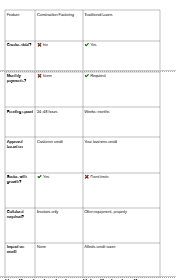
Construction factoring like Factoring Express, has become one of the most widely adopted financial tools among small and mid-size contractors. It resolves the core issue of cash-flow delays by converting unpaid invoices into immediate working capital.
Instead of waiting months for a general contractor or project owner to release payment, contractors using construction invoice factoring receive funds, often within 24 hours, based on the value of their completed work.
This allows them to:
- Pay subcontractors on time
- Purchase materials without delay
- Keep crews staffed and projects on schedule
- Take on more or larger jobs
- Avoid high-interest debt
- Maintain healthy vendor relationships
Factoring provides liquidity without requiring collateral beyond the invoices and does not create loan obligations. It is a funding model aligned with the construction industry’s realities: uneven payment cycles, labor-heavy expenses, and large upfront material costs.
Many contractors rely on experienced partners offering dedicated construction invoice factoring, a solution built specifically for the project-driven cash demands of the industry
Why Regional Expertise: The Texas Example
Texas is one of America’s fastest-growing construction markets. With booming commercial development, large-scale infrastructure projects, expanding suburban areas, and one of the highest rates of new housing construction in the country, contractors in Texas face rapid demand but also increased financial pressure.
Across cities like Houston, Dallas, Austin, and San Antonio, payment cycles often stretch beyond national averages. Project scales are larger, subcontractor layers run deeper, and permitting processes extend timelines. These conditions require contractors to maintain stronger liquidity than in many other regions.
Local funding support has become essential. Businesses increasingly rely on Texas factoring company with regional expertise that understand the state’s payment culture, local industries, and unique project cycles. Working with a local financial partner helps ensure faster onboarding, more flexible funding solutions, and individualized support aligned with Texas’s construction landscape.
Regional insight can often be the difference between securing the next big bid and watching it pass by.
Improving Project Cash Flow Through Better Contract Structures
Another often overlooked factor in cash flow is how contracts are written. Contractors who incorporate clear payment schedules, stronger change-order procedures, shorter approval timelines, and well-defined scope language reduce the risk of disputes that delay payment.
The industry is seeing an increase in contractors negotiating mobilization payments, front-loaded schedules of values, retainage reductions, faster approval windows, and clearer milestone definitions.
In a 2024 Construction Financial Management survey, firms that updated their contract language experienced a 22% reduction in average payment delays.
Contract adjustments may seem procedural, but their impact on real cash availability is significant.
Strong Cash Flow Is the Foundation of Every Successful Construction Business
Construction companies rarely struggle because they lack work, they struggle because they lack timely access to the money they’ve already earned. Long payment cycles, upfront expenses, and approval layers create unavoidable financial strain.
Contractors who succeed in 2025 will be those who:
- Forecast earlier
- Bill more accurately
- Negotiate stronger terms
- Diversify revenue streams
- Improve contract structures
- Partner with regional experts
- Use non-debt financing solutions like construction factoring
Modern tools such as construction invoice factoring, especially from experienced Texas factoring companies, allow contractors to keep crews working, projects moving, and growth opportunities open without taking on debt.
Cash flow is more than a financial metric. It is the engine that powers labor, materials, bidding, timelines, and long-term success.
