
In today’s fast-paced digital environment, businesses and organizations rely heavily on computer systems and networks to operate efficiently. Any disruption or system failure can result in costly downtime, compromised data security, and decreased productivity. Preventive maintenance serves as a proactive strategy to mitigate such risks, ensuring optimal performance, enhancing security, and extending the lifespan of technology infrastructure.

Understanding Computer System and Network Maintenance
Computer system and network maintenance encompasses a range of activities designed to keep devices and networks running reliably. These include regular updates, monitoring, troubleshooting, hardware inspections, and security management. By maintaining systems systematically, organizations can prevent unexpected failures, minimize downtime, and safeguard critical information.
Preventive maintenance, in particular, emphasizes scheduled inspections and servicing. Unlike reactive maintenance which addresses issues after they occur preventive maintenance anticipates potential problems and resolves them before they escalate. This approach not only reduces repair costs but also improves system stability and operational efficiency.
Recognizing the Need for Preventive Maintenance
Identifying early signs that a system requires preventive attention is essential. Indicators may include slower processing speeds, frequent software errors, unusual system noises, unexpected shutdowns, or increased response times. Ignoring these signs can have long-term consequences, such as higher repair costs, reduced hardware lifespan, security vulnerabilities, and overall operational inefficiencies.
Regular upkeep ensures continuity of operations while preserving the integrity of network systems. Organizations that implement proactive maintenance strategies are better positioned to manage workload demands, prevent data loss, and optimize system performance.
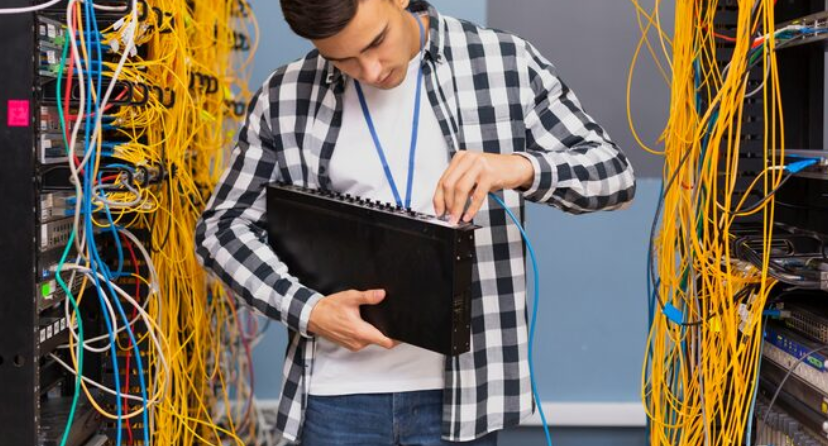
Key Steps in Preventive Maintenance
Software and Operating System Updates
Consistent software and operating system updates are critical. Updates fix bugs, close security vulnerabilities, improve performance, and ensure compatibility with other applications. Failure to apply updates can leave systems exposed to cyber threats, impacting business continuity.
Data Backup and System Configuration
Routine data backups are vital for protecting critical information. By maintaining secure copies of system configurations and essential files, organizations can quickly restore operations in the event of hardware failure or data corruption.
Regular System Testing
Assessing core system functions regularly helps identify potential issues before they cause significant disruption. This includes monitoring network performance, checking software integrity, and testing security protocols to maintain reliability and efficiency.
Malware and Virus Scanning
Regular scanning for malware and viruses ensures system security. Early detection of threats prevents data breaches, maintains network functionality, and protects sensitive organizational information.
Hardware Maintenance
Ensuring proper ventilation, cleaning dust from components, and monitoring hardware performance helps prevent overheating and prolongs equipment lifespan. Additionally, using a stable power supply and surge protection safeguards systems against electrical damage.
Best Practices for Effective Preventive Maintenance
Establish a Routine Maintenance Schedule
Creating and adhering to a structured maintenance schedule ensures that systems remain in optimal condition. Scheduled inspections and servicing reduce unexpected failures, lower repair costs, and enhance overall system reliability.
Educate and Train Staff
Training employees on best practices is critical for maintaining network integrity and system performance. Knowledgeable staff can identify early signs of malfunction, follow proper procedures, and contribute to a culture of proactive technology management.
Develop a Disaster Recovery Plan
A comprehensive disaster recovery plan is indispensable. It ensures business continuity, minimizes downtime, and provides protocols to respond to emergencies swiftly, safeguarding both data and operational capacity.
Evaluate Outsourcing Options
Organizations may consider outsourcing preventive maintenance to specialized IT providers. Outsourcing offers access to expertise, advanced tools, and proactive monitoring, but requires careful evaluation to strike a balance between cost, control, and quality assurance.
Knowledge Computers preventive maintenance of computer system and network provides tailored services, combining routine inspections, proactive monitoring, and expert troubleshooting to enhance system reliability and efficiency. Their comprehensive approach ensures minimal disruptions, improved performance, and extended lifespan for both hardware and network infrastructure.
Case Studies Demonstrating Preventive Maintenance Benefits
Several organizations have successfully implemented preventive maintenance strategies, achieving measurable improvements:
- Case Study 1: A medium-sized enterprise reduced network downtime by 60% by scheduling monthly inspections and updates, preventing costly service interruptions.
- Case Study 2: A financial services company avoided critical data loss by integrating automated backups and malware scanning, safeguarding sensitive information.
- Case Study 3: A tech startup extended the lifespan of its servers and workstations through routine hardware cleaning, ventilation optimization, and proactive monitoring, resulting in substantial cost savings.
Tools and Software for Preventive Maintenance
Modern preventive maintenance relies heavily on specialized software to streamline tasks, track updates, and monitor system performance. Selecting the right tool requires assessing features such as automated alerts, reporting capabilities, ease of use, scalability, and customer support. Leading software solutions enhance efficiency, provide actionable insights, and simplify maintenance workflows for IT teams.
Conclusion
Preventive maintenance for computer systems and networks is a critical strategy for organizations aiming to maintain optimal performance, reduce downtime, and safeguard valuable data. By implementing regular updates, monitoring hardware and software, training personnel, and establishing disaster recovery plans, businesses can minimize risks, optimize efficiency, and extend the lifespan of their technology infrastructure.
Engaging professional services like Knowledge Computers preventive maintenance of computer systems and network ensures proactive monitoring, expert troubleshooting, and comprehensive maintenance strategies tailored to organizational needs. Adopting preventive measures today guarantees smoother operations, enhanced security, and sustainable long-term benefits for any business relying on digital technology.
