
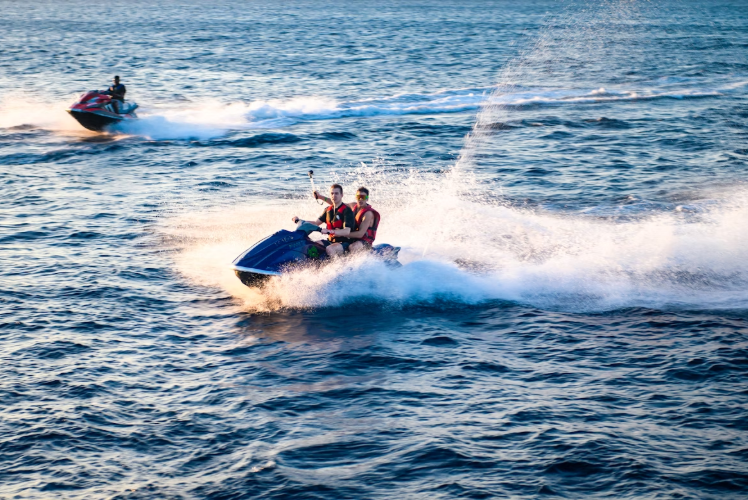
Palm Bay’s beautiful Indian River Lagoon is a favorite destination for water sports—including jet skiing, tubing, and recreational boating. But what starts as a fun day on the water can suddenly become dangerous when riders collide, equipment fails, or other boaters act recklessly. Jet ski accidents are more common than most people think, and the resulting injuries can be severe.
Many victims assume these incidents are “just part of the risk,” but Florida law says otherwise. If negligence contributed to the accident, you may be entitled to compensation for your injuries.
Whether you were struck by another jet ski, hurt by a rental company’s faulty equipment, or injured by a reckless boater, an injury lawyer can help determine who was at fault. A personal injury lawyer serving Palm Bay will know how to navigate the legal waters and protect your right to recover damages.
Who Can Be Held Liable in a Jet Ski Accident?
Liability in a jet ski collision depends on how and where the accident occurred. Common at-fault parties include:
Another rider who was speeding, intoxicated, or not paying attention
A boater who failed to yield or entered a personal watercraft zone
A rental company that failed to provide proper safety training or failed to maintain safe equipment
Even a jet ski owner who loaned their watercraft to someone unqualified
In many of these scenarios, the core legal issue is negligence—meaning someone failed to act reasonably and caused harm as a result. For example, if a jet ski rental company skipped the required safety briefing or sent someone out on malfunctioning equipment, they could be held liable for the resulting injuries.
Similarly, if another rider was going too fast in a no-wake zone or operating a jet ski under the influence, they may be found negligent and responsible for damages.
What Florida Law Says About Personal Watercraft Accidents
Florida has specific laws regulating personal watercraft (PWC), including jet skis. These rules are designed to reduce accidents and protect both operators and bystanders. When someone violates these laws and causes injury, they may be held liable under both civil and criminal statutes.
Some key regulations include:
Jet ski operators must be at least 14 years old, and renters must be at least 18
Boating safety courses are required for certain operators
It is illegal to operate a PWC under the influence of drugs or alcohol
Reckless driving—such as jumping another boat’s wake too closely or weaving through traffic—can result in criminal penalties
No-wake and slow-speed zones are strictly enforced in many areas of the Indian River Lagoon
Violations of these laws can serve as strong evidence of negligence in a personal injury case.
Steps to Take After a Jet Ski Collision
The moments following a jet ski accident can be disorienting, but what you do next is vital—both for your safety and for building a strong legal claim.
First, get to safety. If you’re injured but mobile, move to a secure area and alert nearby riders or vessels. Call emergency services or the Florida Fish and Wildlife Conservation Commission (FWC), which handles boating incidents in Palm Bay and the Indian River Lagoon.
Once safe, seek medical attention immediately. Even if your injuries seem minor, internal trauma and soft tissue damage can worsen over time. Make sure the accident is formally reported—either to law enforcement or, if you were on a rental, to the operator.
Document everything. Take photos or videos of the scene, including the jet skis, water conditions, your injuries, and any signage or equipment. Collect contact information from witnesses, the other operator(s), and anyone from the rental company. If you signed any paperwork, keep a copy, but don’t agree to make statements or accept blame until you’ve spoken with a legal professional.
Why Legal Help Is Critical in Watercraft Injury Claims
Jet ski accident claims can be more complicated than car crash cases. There are multiple layers of liability—ranging from negligent individuals to companies and even public entities—combined with maritime laws that may apply depending on the waterway and nature of the collision.
An experienced attorney knows how to investigate the accident thoroughly, including checking for prior complaints against a rental company, securing maintenance logs, and evaluating whether the injured party was properly briefed before riding. Rental waivers can sometimes deter victims from seeking justice, but a lawyer can review the validity and limits of these documents.
Time is also a factor. Rental companies may delete records or video footage within days. Witnesses may be tourists and hard to locate after they leave Palm Bay. Legal help ensures evidence is preserved, deadlines are met, and your claim is not dismissed on a technicality.
Most importantly, a lawyer can handle communications with insurers—who may attempt to downplay the incident or shift blame unfairly.
Know Your Rights Before Hitting the Water Again
A jet ski accident in the Indian River Lagoon can leave victims with broken bones, spinal injuries, or worse. These aren’t just accidents—they’re often preventable incidents caused by someone else’s negligence.
If you’ve been injured in a jet ski collision near Palm Bay, don’t assume you’re powerless. A skilled injury lawyer serving Palm Bay can review your case, protect your rights, and help you pursue compensation for your recovery. For help navigating a jet ski or boating accident claim, reach out to Frankl Kominsky Injury Lawyers today.
About the Author
This article was written by a legal content specialist with a focus on recreational injury law, personal watercraft liability, and Florida’s boating regulations. Their work helps injury victims understand their rights and responsibilities after complex incidents like jet ski accidents. The author is not affiliated with any specific law firm and provides impartial, accessible legal information for readers navigating difficult circumstances.
