
By IAS Sanjeev Jaiswal, Vice President & CEO, MHADA
Some shine, some fade, and some ache to be retold with dignity. Kamathipura is one such memory — a place where Mumbai’s history, struggle, and spirit intersect. For decades, it has carried the burden of neglect and the weight of stereotypes. But every city deserves a second chance, and for Kamathipura, that moment has arrived.
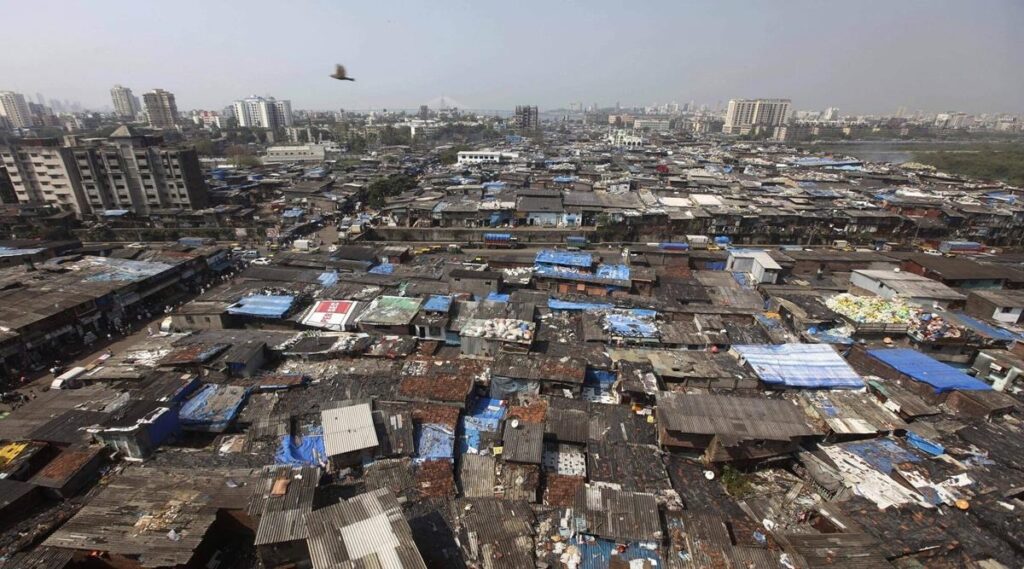
When I first walked through its lanes as Vice President and CEO of MHADA, I did not just see crumbling facades; I saw resilience. I saw families who had turned scarcity into strength, and communities that had learned to survive without complaint. Redevelopment, to me, was never just about replacing brick and mortar. It was about restoring dignity — to both place and people.
Why Kamathipura’s Renewal Matters
Urban transformation is not about taller buildings; it’s about deeper foundations — of trust, safety, and opportunity. Kamathipura’s redevelopment is a test of how governance can be both humane and high-performing. It’s about proving that compassion and competence can coexist in the same blueprint.
For too long, the area’s residents have lived with uncertainty — unsafe housing, broken infrastructure, and limited access to civic services. The decision to rebuild is not a bureaucratic milestone; it’s a moral obligation. A city that prides itself on progress cannot allow any corner of it to lag behind.
A Transparent, People-First Model
Our redevelopment approach begins with one non-negotiable — the citizen. Every family, every tenant, every worker in Kamathipura has a stake in this transformation. MHADA’s role is to make sure that stake is respected.
We have introduced a transparent, digitally tracked process that puts citizens at the center. From eligibility verification to project approvals, every step is visible, accountable, and time-bound. This is not redevelopment done to people; it is redevelopment done with them.
To put this in perspective, the Kamathipura Urban Village Township project covers 34 acres of land, encompassing 943 cessed buildings across lanes 1 to 15, along with 349 non-cess structures, 14 religious buildings, two schools, and four reserved plots. The project also includes 11 buildings previously reconstructed by MHADA, demonstrating the authority’s long-term engagement in the area.
In total, the redevelopment covers 1,11,654 square meters (27.59 acres), with buildings that are approximately 100 years old. The project will directly impact around 8,000 residents, including 6,625 residential tenants, 1,376 commercial tenants, and around 800 landowners — a scale that reflects the enormity of this urban renewal mission.
Digital tools are not just for efficiency; they are for fairness. They make the invisible visible — ensuring that what once happened behind closed doors now happens in public view.
Building with Empathy, Not Just Efficiency
Mumbai’s greatness lies in its diversity. Kamathipura is a living mosaic of cultures, trades, and stories. Redevelopment must protect that texture, not flatten it. That’s why we are designing new housing clusters that integrate local businesses, workshops, and community spaces.
The goal is not to erase Kamathipura’s past but to prepare it for a future where safety, hygiene, and opportunity coexist. Wide internal roads, open spaces, and green corridors are not luxuries — they are necessities for healthier, more humane living.
Sustainability is at the heart of the design — from rainwater harvesting and solar power to solid waste management systems. The future of Mumbai must not just be modern; it must also be mindful.
Accountability as Architecture
No blueprint survives without discipline. That’s why we have built accountability into the very architecture of this project. Regular site audits, citizen dashboards, and milestone-based progress updates will ensure that execution matches intent.
Developers are partners in this vision — not merely contractors. They carry a social responsibility to deliver quality, not just quantity. The language of this project is not profit; it is public purpose.
The Human Dividend of Redevelopment
Urban renewal is often measured in square feet. But the real metric is human dignity. When a child in Kamathipura grows up in a safe home, studies under proper lighting, and plays in a clean courtyard — that is the true return on investment.
Redevelopment is not a transaction between MHADA and developers; it is a covenant between the city and its citizens. And the dividend is not money, but trust.
A Mumbai That Remembers and Rebuilds
As Kamathipura begins its transformation, I see in it a metaphor for Mumbai itself — restless, resilient, and always reinventing. This project is a small but significant step toward a city that remembers its past but is not trapped by it.
We owe it to every Mumbaikar — from Colaba to Kurla, from Kamathipura to Kandivali — to ensure that progress is not gated, but shared. The promise of Mumbai has always been that it belongs to all who believe in it.
And that is what we are rebuilding — not just a neighborhood, but an idea: that every Mumbaikar deserves a home, a chance, and above all, respect.
For the latest news, in-depth insights, and updates on Maharashtra, visit Naya Maharashtra – your trusted source for authentic state developments.
